“mucous membrane” search results (200)

Coffee and bean honey treatment method introduction of high-quality coffee bean treatment method
Silver Skin/Chaff: there is a thinner film inside the parchment that wraps the coffee beans. Because the color is glossy and silvery, people used to call it silver skin. This layer of silver will fall off during baking. Usually when you grind the coffee, you find some silver crumbs in the coffee powder. These crumbs are the silver skins that fail to peel off the coffee beans during baking. 5. Coffee
2016-07-05 Coffee beans processing introduction boutique method silver skin Silver S
Brief introduction of Coffee Bean Raw Bean treatment
Washing method: 1, select beans: put the harvested fruit in a water tank and soak for about 24 hours. At this time, ripe fruit will sink, while immature and overripe fruit will float up and can be removed. 2. Remove the pulp: use a machine to remove the skin and pulp, leaving only the coffee beans wrapped in the endocarp. At this time, there is a layer of mucous membrane on the outside of the beans, and the process of washing is
2014-09-23 Coffee knowledge coffee bean treatment washing method
Introduction to the treatment method of Solar Sidamo Coffee
1, choose beans: put the harvested fruit in a water tank and soak for about 24 hours. At this time, ripe fruit will sink, while immature and overripe fruit will float up and can be removed. 2. Remove the pulp: use a machine to remove the skin and pulp, leaving only the coffee beans wrapped in the endocarp. At this time, there is a layer of mucous membrane on the outside of the beans, and the process of washing is to wash this.
2016-08-01 Sun Dharma coffee treatment method introduction bean selection harvest fruit
What is the process of processing coffee fruit into coffee beans
1, choose beans: put the harvested fruit in a water tank and soak for about 24 hours. At this time, ripe fruit will sink, while immature and overripe fruit will float up and can be removed. 2. Remove the pulp: use a machine to remove the skin and pulp, leaving only the coffee beans wrapped in the endocarp. At this time, there is a layer of mucous membrane on the outside of the beans, and the process of washing is to wash this.
2016-06-07 Coffee fruit processing coffee beans need what process bean selection harvest
What are the treatment methods for raw coffee beans? coffee bean washing method
Semi-washing (Semiwashed Method): this is a combination of sun and water washing, first removing the pulp and peel in the same way as the washing method, then drying the coffee beans that are still attached to the mucous membrane completely, and then wetting the dried coffee beans, knocking off the residual mucosa with a machine, and then drying and storing them. Because at the same time
2016-06-06 Coffee raw beans which treatment method coffee beans washing half water Se
The grade of honey treatment coffee trees bloom in what month
Some plantations that had not previously used honey treatment had to treat coffee using the tools available. Since green bean processing plants in most regions, such as Latin America, Kenya and Ethiopia, used to transport green coffee beans with water, coffee beans lose some of their mucous membrane during transportation. In places like Costa Rica, Brazil or Colombia, local plus
2016-06-06 treatment grade coffee month flowering some past none used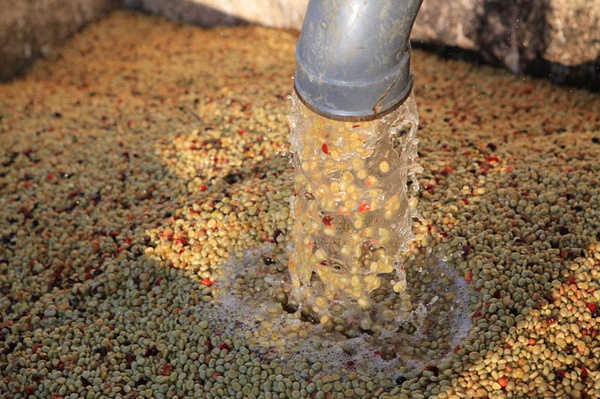
Different treatment methods of raw coffee beans are analyzed in detail.
After picking, coffee fruits need to go through a series of processes before they can become what we call coffee raw beans. This series of processes are often referred to as the handling of raw coffee beans or the rough processing of raw coffee beans in the industry. How do coffee beans get coffee there is a pair of seeds in the middle of the fruit, which are wrapped in the outer skin, pulp and endocarp. The ripe coffee fruit should stand after picking.
2015-11-20 Details analysis coffee raw beans various different treatment methods picking
Introduction to the Natural washing and Solar treatment of White Honey treated with Coffee Bean Red Wine
Honey treatment Today, honey treatment is used in almost all the producing areas of Costa Rica. This method is also widely spread throughout Central America. Because the surface mucosa of coffee beans is extremely sticky and smooth and the sugar content is extremely high, it is often called honey. In the process of honey treatment, coffee will leave some or all of the honey when it is dried. After picking, grading and peeling, the coffee fruit will be placed.
2016-10-24 Coffee beans red wine treatment white honey nature washing tanning introduction now
Introduction to Green Coffee Bean Treatment--Washing Method
Place the harvested fruit in a tank of water and soak for about 24 hours. The ripe fruit will sink, while the immature and overripe fruit will float up and can be culled.
2014-06-24 Coffee knowledge coffee bean treatment washing method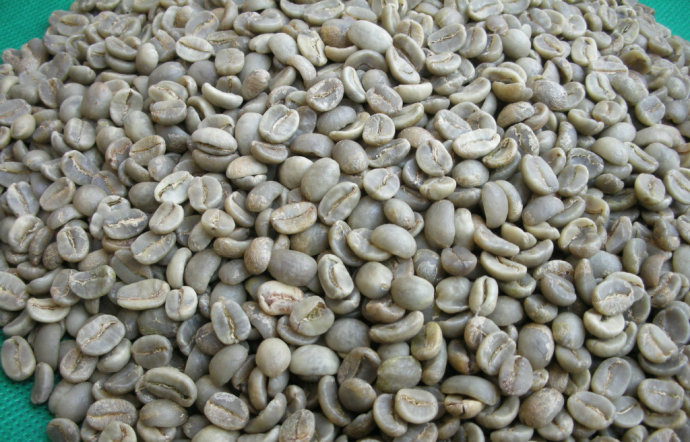
The difference between Coffee Bean washing and semi-washing
The washing refining of coffee began in the mid-18th century. In the refining process, the pulp of the coffee fruit is first removed, then the residual mucous membrane on the inner pericarp is removed by a fermentation tank, and the beans are washed and dried. The difference between non-washing refining and water-washing refining is that the non-washing refining method is dried and then the pulp is removed, while the washing method is to remove the pulp and then dry! Washing type refining
2016-01-16 Coffee fruit picking raw beans treatment method coffee beans washing distinction
The treatment of coffee beans explain in detail what is coffee washing method
There are three ways to treat coffee beans: drying, washing, and semi-washing coffee began in the mid-18th century. In the washing process, the pulp of the coffee fruit (red cherry) is first removed, then the residual mucous membrane on the inner pericarp is removed by a fermentation tank, and the beans are washed and dried. The difference between the non-washing method and the water washing method is that the non-washing method removes the fruit after drying.
2014-10-13 Coffee knowledge coffee bean treatment coffee washing method
What is water treatment?
1. Bean selection: Put the harvested fruit in a water tank and soak it for about 24 hours. The ripe fruit will sink, while the immature and overripe fruit will float up and can be culled. 2, remove the pulp: use a machine to remove the peel and pulp, leaving only the coffee beans wrapped in the endocarp. At this time, there is still a layer of mucosa outside the beans. The process of washing is to wash this.
2016-08-30 what washing processing selecting beans harvesting fruit putting filling water sink soaking
Coffee washing process
After the harvest of coffee beans must immediately enter the treatment system, otherwise it will begin to ferment, so that coffee beans have a bad smell.
2014-06-20 Coffee knowledge coffee bean treatment washing process
What are the treatment methods of raw coffee beans?
The process of natural solarization is the simplest. The fruit begins the process of sun drying without treatment after picking. This is the oldest method of treatment in existence. This method is still used in places such as Ethiopia and Brazil. Natural solarization is most common in areas where water resources are scarce. The drying process usually lasts about 4 weeks. The way to deal with it must be very
2016-08-09 Coffee raw beans treatment methods which natural sun this method
Introduction to the characteristics of Starbucks Coffee Bean Flavor description treatment by Water washing and semi-washing
Coffee flavor description STEP2: remove the ripe coffee fruit along with the water is put into a special machine to scrape off the skin of the coffee fruit, the machine will also scrape off most of the pulp of the coffee fruit, but there is still a small layer of pectin to form a mucous membrane glued to the raw bean shell of coffee, and the process of washing is to wash this mucous membrane. The coffee beans treated by washing follow the rules.
2016-10-20 Buck coffee beans washing half water sun flavor description treatment varieties characteristics
Three common ways to treat coffee beans
Semiwashed Method: This is a combination of sun and water washing treatment, first with the same way as the water washing method to remove the pulp and peel, followed by drying method to let the coffee beans still attached to the mucosa completely dry, and then the dried coffee beans wet, with a machine to remove the residual mucosa, and then can be dried for storage. Because at the same time
2016-06-12 coffee beans common three kinds treatment way semi-water washing method Semiwash
How to deal with coffee beans? what kind of coffee do you have? the higher the altitude, the better.
Honey treatment is used in almost all the producing areas of Costa Rica. This method is also widely spread throughout Central America. Because the surface mucosa of coffee beans is extremely sticky and smooth and the sugar content is extremely high, it is often called honey. In the process of honey treatment, coffee will leave some or all of the honey when it is dried. After the coffee fruit is picked, graded and peeled, it is dried.
2016-06-12 Coffee beans processing methods which coffee why altitude the higher the more
Several common methods of coffee raw beans the origin of coffee beans
1. Dry process: drying is a historical way to deal with coffee beans, which has been used by Arabs for more than a thousand years. Basically, the harvested coffee beans are laid out and exposed to the sun, which takes about 20 days, and then the dried peel and pulp are polished, screened and graded, and finally packaged and stored. Because of exposure
2016-05-27 Coffee raw beans common several methods coffee beans origin variety drying Dr
Introduction to the treatment of coffee beans there are several ways to treat coffee beans. What should be used for different coffee?
Honey treatment is used in almost all the producing areas of Costa Rica. This method is also widely spread throughout Central America. Because the surface mucosa of coffee beans is extremely sticky and smooth and the sugar content is extremely high, it is often called honey. In the process of honey treatment, coffee will leave some or all of the honey when it is dried. After the coffee fruit is picked, graded and peeled, it is dried.
2016-07-20 Coffee beans treatment methods introduction several different coffee should adopt which
What is the honey treatment of coffee? what are the characteristics of coffee beans treated with honey? what is the reason for coffee leucorrhea?
1. Natural solarization (Natural/Dried-in-the-Fruit): the process of this method is the simplest. The fruit begins the process of sun drying without treatment after picking. This is the oldest method of treatment in existence. This method is still used in places such as Ethiopia and Brazil. Natural solarization is most common in areas where water resources are scarce. The process of drying is usually
2016-10-18 Coffee white honey treatment what is it coffee beans characteristics coffee color leucorrhea reasons